Bryan Chan
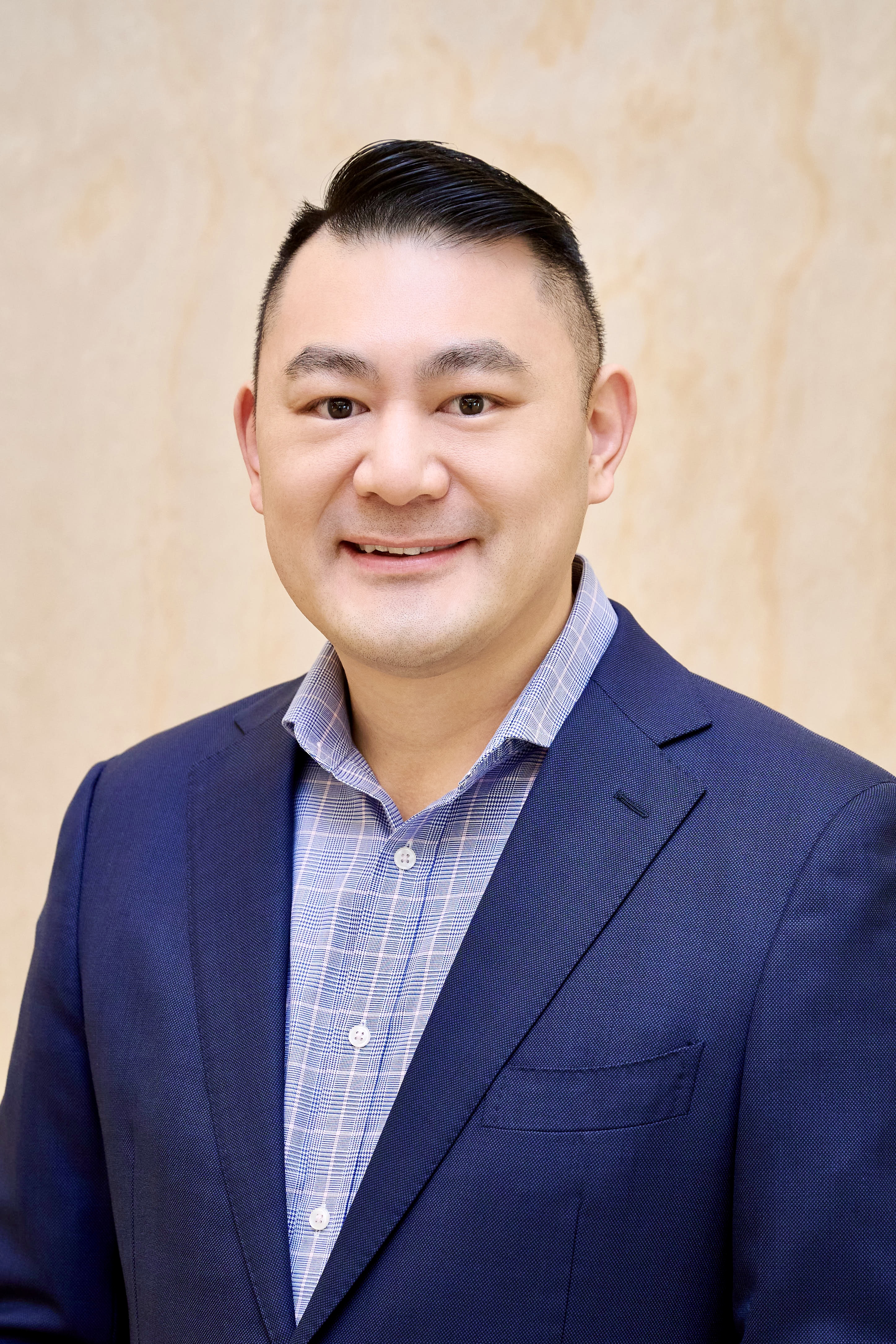
I am honoured to be joining you as COSA’s next President-Elect. Thank you to the Board, Council and members who have placed their trust in me.
For those I have not yet met, I am a medical oncologist at Sunshine Coast University Hospital in Birtinya, Queensland, on Gubbi Gubbi and Jinibara Country. I was born in Fiji, our Pacific neighbour, where the availability of cancer care remains very different from the care many of us regard as standard in Australia. That experience has shaped how I approach our work. Before medicine, I was a pharmacist, and across both professions I have seen that while cancer can affect anyone, people’s ability to access care, cope with treatment and live well afterwards is shaped by where they live and by the practical, psychosocial and financial support around them. Australia has some of the world’s best cancer outcomes, but we must make sure those benefits reach all Australians. We also have an opportunity to work constructively alongside our Asia-Pacific neighbours.
From my first experience of COSA, I saw that its real strength is its ability to bring together the whole cancer care community: clinicians from every discipline, nurses, pharmacists, psychologists, dietitians, physiotherapists, exercise physiologists, researchers, carers and consumers with lived experience. The challenges before us do not sit neatly within one professional silo, and neither will the solutions.
Over the next four years, I hope we can focus on three connected priorities.
First, sustainable and innovative models of care. Demand is growing, people are living longer with cancer and more complex needs, and the workforce cannot expand at the same pace. COSA can lead a practical conversation about how we deliver high-quality care differently: through advanced nursing practice, pharmacists working to the full extent of their skills and scope, stronger survivorship care, and greater attention to the care of older adults with cancer.
Second, equity. Cancer outcomes should not depend on postcode. Rural, regional and remote communities, Aboriginal and Torres Strait Islander peoples, older Australians, and our neighbours across the Asia-Pacific continue to face barriers that are all too often accepted as inevitable. They are not. We can learn from one another about delivering care closer to home, creating supportive workplace cultures, sustaining the workforce, using technology well, and improving access to clinical trials.
Third, artificial intelligence and other new technologies. COSA’s AI Working Group has already made an important contribution. Our next task is to make sure these tools are safe, genuinely useful to patients, carers and clinicians, and designed to narrow rather than widen existing inequities.
I have four years in this leadership journey: two as President-Elect, followed by two as President. That gives us a valuable opportunity to listen, build partnerships and begin the work early. I would genuinely rather hear from you now than later.
If you are leading a service redesign, building a regional partnership, developing innovative models of care, or see an area where COSA can make a greater contribution, please get in touch. I would also strongly encourage members to become involved in COSA Groups, where so much of the Society’s practical and important work happens. You can reach me through COSA, but please also come and say hello and perhaps take a selfie at the ASM!
I look forward to supporting Professor Haryana Dhillon as she begins her term as COSA President at the end of the year. I would also like to thank our outgoing President, Professor Sabe Sabesan, who was an early mentor and introduced me to COSA. I thank the many members who have given their time, leadership and energy to the Society over the years. Their collective contribution has placed COSA in a strong position.
I am very much looking forward to working with you all.